Who We Are
Bishop Auckland Community Partnership is a charity administered out of the Four Clocks Centre in Bishop Auckland. It has been in existence for over 24 years.
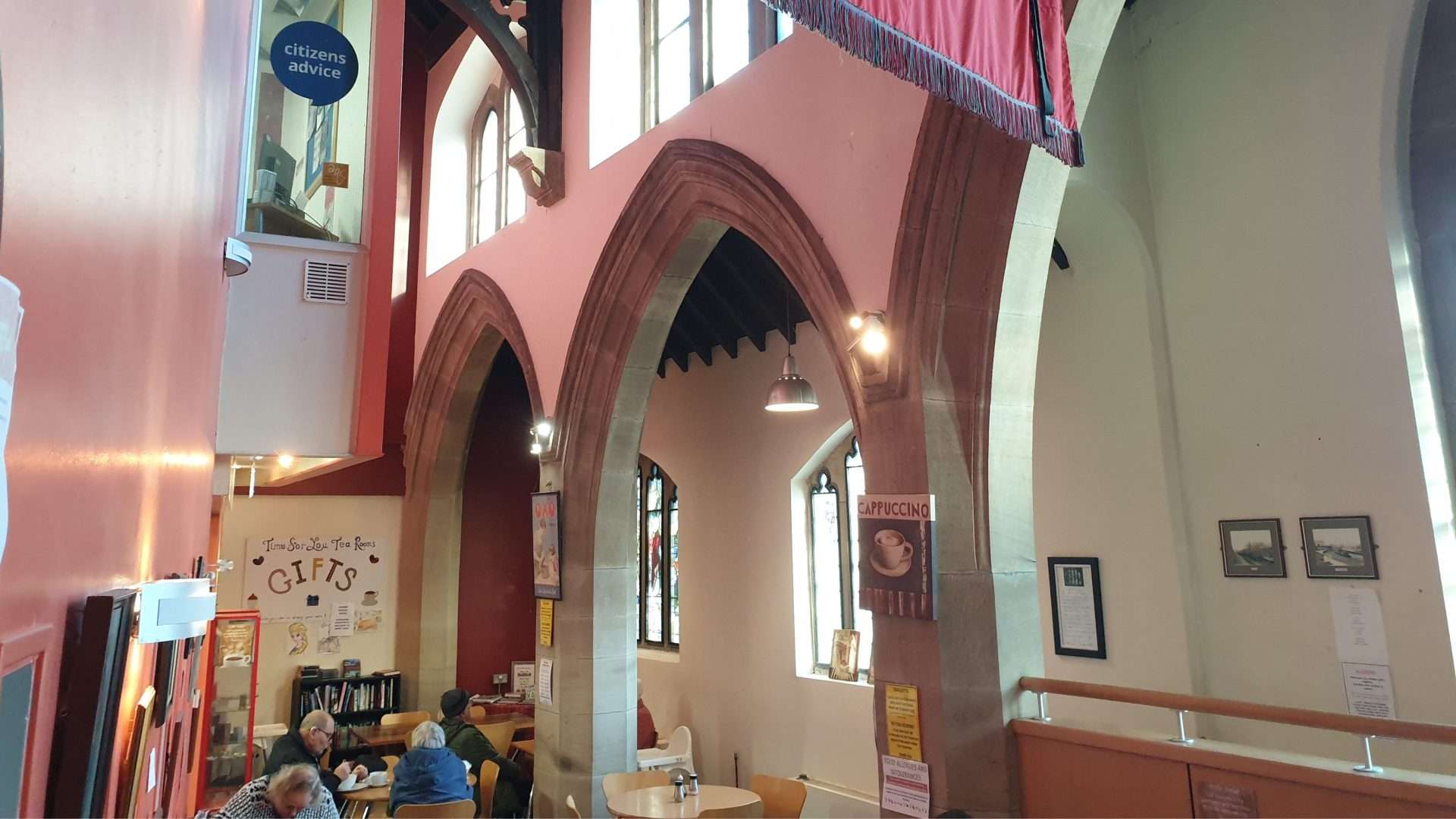
The Four Clocks Centre is a thriving community hub which provides many resources and services for the local community. Helping to improve the quality of life for local people.
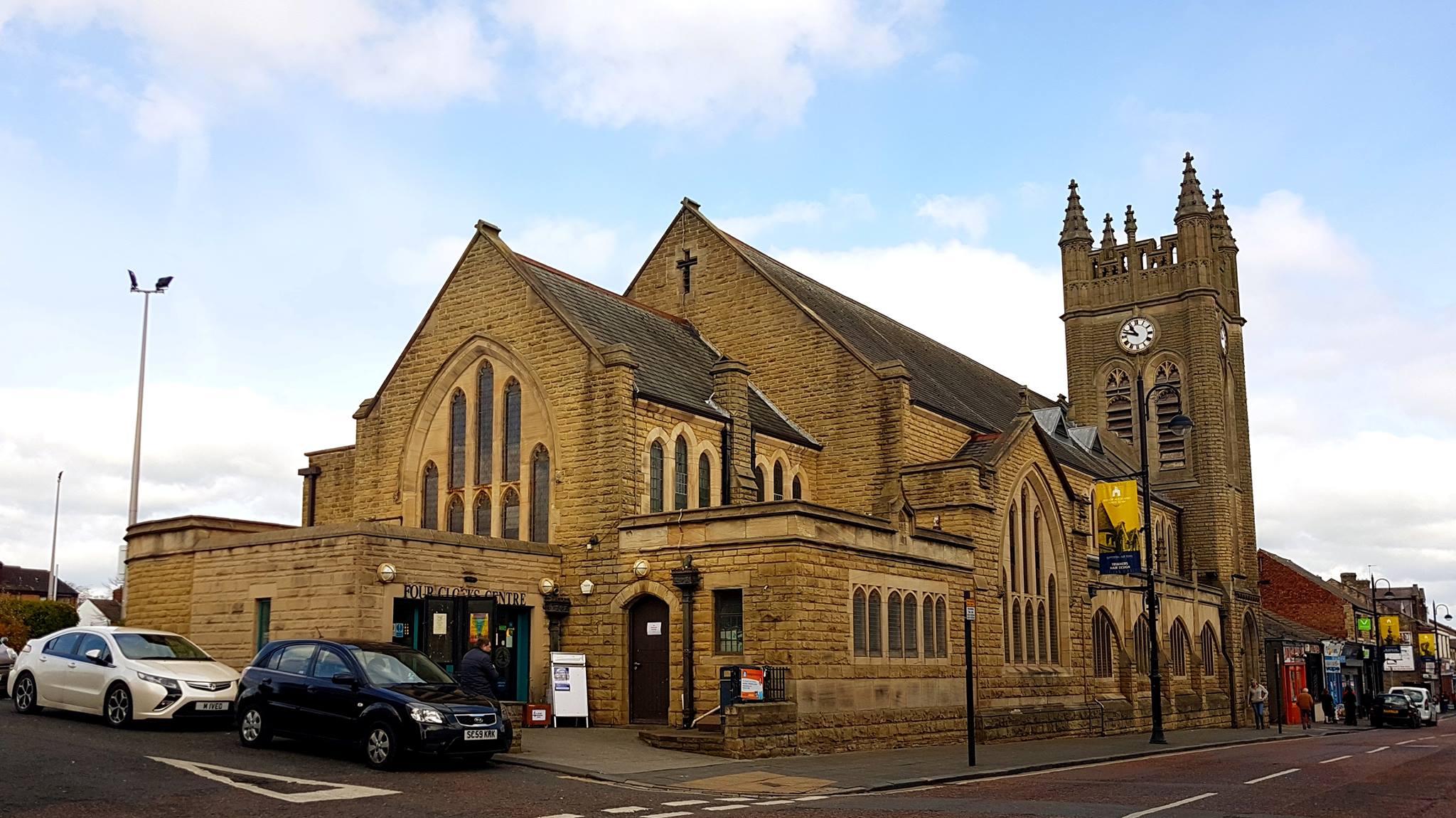
Known as the “Four Clocks” because of its ornate 4 face clock tower, we nestle in the heart of Bishop Auckland, County Durham. Created as a result of the vision and dedication of the Bishop Auckland Community Partnership (BACP), The Four Clocks Centre stands out in the landscape of the town.
Helping Our Community
The main aim of the partnership is to give care and opportunity to the needy and disadvantaged members of our community. To this end we facilitate the running of many projects that enrich the lives of those in our community.
Donations
Upkeep of the building, heating costs and basic staffing is provided by grants, room rentals and donations.
About the Partnership
Our Partnership was formed in 1997 after a survey of community needs in the Town – the need for such a Centre was one of the 10 recommendations to come out of the survey, so the Partnership worked towards raising funds and grants to buy the redundant Wesley Methodist Church and £1,2M was eventually raised, mainly Lottery money and other national charity funders.
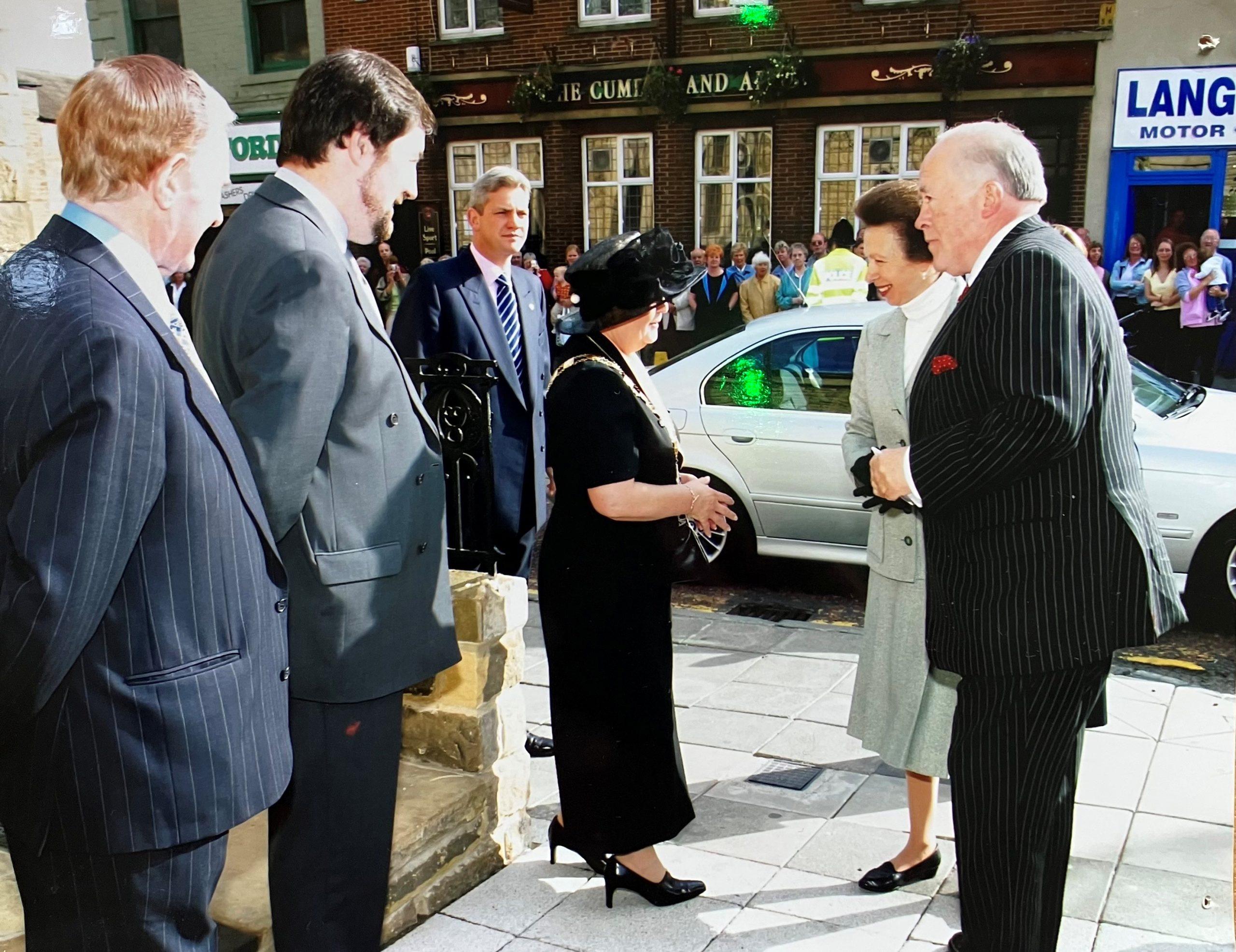
The building was opened as a 3-storey Community Resource Centre in May 2002, with an official opening in September 2002 by Princess Anne, who is a patron of Citizens Advice – one of the early tenants being Wear Valley Citizens Advice Bureau who moved into the building from inadequate accommodation in Kingsway.
The History of The Four Clocks Centre
The Bondgate Chapel, originally built in 1804, served the Methodist Society until the 1880’s when the town began to develop in a southerly direction. The trustees began to look for a new site and in 1902 they bought four cottages in West Terrace. A mission chapel, South Road Mission was soon started in West Terrace. Then in 1907, a further purchase was made of a row of eight single-storied houses called Brougham Place, South Road [where the Wesley church now stands].
By February, 1908 the trustees had asked a London architect to come and look at the proposed site and bring specimens of churches with him. Plans for church and schools were prepared in 1911 by Messrs, Gordon and Gunton, the well-known Methodist architects. By July 1912, the trustees agreed that the contractor’s tender of £8,655 for the new church and schools submitted by Mr Thomas Hilton be accepted, and that Witton-Le-Wear stone be used. The foundation stones were laid in the following October.
In March 1913 a major festive effort was held to take money for the building of the new church. It was a mammoth three-day grand forest bazaar in which the whole circuit took part. The money raised was added to the money made from the sale on the Bondgate premises.
The new church was not ready for its original opening date, and the opening ceremony took place on February 18th 1914. It was decided that the clock in the new church be started at the conclusion of the afternoon service on the day of the opening, and Mr Joseph Lingford be asked to perform the ceremony. This was followed by tea at five o’clock and an evening meeting at six thirty.
In 1993 the two Methodist churches in Bishop Auckland amalgamated, leaving a redundant church in a prominent location within the town.
The hall of the church was sold to Red Cross but no interest was shown in the church itself. During this time a local architect involved in the Keystone initiative highlighted the potential for a community building.
Churches Regional Commission were carrying out research across the west of the region, looking at how churches were involved in regeneration in communities, and from this research raised a formally constituted group, Churches Action Together in Wear Valley. This newly formed group together with the student minister decided to narrow their research of community activity to Bishop Auckland, and a survey of the churches’ involvement in community activity took place.
The Bishop Auckland Community Partnership has evolved from the findings and recommendations of the Bishop Auckland Churches survey group. This was made up of representatives of the faith community and, over a period of eighteen months, with the support of Spectrum and Bernard’s Project, produced a comprehensive audit of the town’s resources, facilities and services, identified outstanding needs and proposed action towards sustainable social regeneration. Its findings, which were made known at a public meeting in September 1997, aroused considerable interest. They have subsequently served as a catalyst in the formation of a number of practical initiatives within the town which draw together, in partnership, the contributions of statutory and voluntary organisations, churches and local people.
The church members together with interested local people recognised the need for a partnered approach to such a project. With the support and commitment from the many agencies contributing to the social and economic regeneration of local communities, and with the expertise of the local architect, John Niven, the proposal for a community-led resource centre took shape.
The partnership, now a registered charity, has been established to help bring new life and opportunity to the neediest and disadvantaged members of the Bishop Auckland community. In response to their identified needs it aims to provide, through voluntary and statutory organisations working together, a vital and comprehensive one-stop service of care, advice, support and development within a welcoming and readily accessible building.
The partnership is a representative community organisation which has consulted widely. It is comprised of some of the founder members of the survey group, Spectrum’s community service co-ordinator, representatives of Wear Valley District Council and statutory and voluntary organisations, and Keystone Initiatives, a consortium of architects with a particular interest in the preservation and use of surplus church premises. Its patron ass the Rt Hon Derek Foster, MP. Together they represent a wealth of experience and complementary skills, and the vision, motivation, enthusiasm, integrity and managerial competence to make things happen and ensure their long-term viability.
The partnership’s mission is to ensure that the development of this service is shaped by local needs, directed by real partnerships which embrace all key interests and encourage people to have a full voice in the process of regeneration.
Its feasibility study suggested that not only could the proposed service be achieved, but that it could be most effectively provided within the Four Clocks Centre, the Grade II listed former Methodist church at the very heart of the town. This, it believed, offered a distinctive, additional and important contribution to the facilities of Bishop Auckland. Its advanced design and its competitive overheads, coupled with sound and progressive management, could meet the special needs of both service users and providers. The service project and the conversion of the Four Clocks Centre required funding in the region of £1 million, to include capital and revenue costs.
Applications were made to the National Lottery Charity Board. It planned to appoint a full-time project director with administrative and clerical support, to have particular responsibility for development, training and fund raising. Other staff were to be employed, some full time, some part time, and the participation of committed and trained volunteers would be encouraged.
The Partnership intended to have the project in place during the year 2000. It represented an exciting challenge to provide an invaluable community facility for all the surrounding people of Bishop Auckland into the new millennium. During the year 2000, over £830,000 was secured from the Scotto Trust, National Lottery Charities Board, Church Urban Fund and Coalfield Regeneration Trust. In total, £1.2 million was raised, including a £400,000 lottery grant.
Feasibility studies and building proposals for the conversion were completed, and the building was purchased by the Partnership in June 2001 from the Esmée Fairbairn Foundation and Tudor Trust. T. Manners & Sons, a local building contractor, commenced work in October 2001.
Friday 3rd May 2002 was a momentous day for the Four Clocks project, when the ribbon-cutting ceremony was performed by our patron, the Rt Hon Derek Foster MP.
Then in September 2002, on what was to be for all of us who were involved a most memorable occasion, the formal opening of the Four Clocks Centre took place, performed by Her Royal Highness the Princess Royal. We were delighted that the joint approach by ourselves and the Wear Valley Citizens Advice Bureau culminated in this visit, when HRH Princess Anne came to officially open the building in her role as Patron of Citizens Advice.
So, having survived for 21 years through some difficult times, it is thanks to the Trustees, Staff and Volunteers that have got us to where we are today.
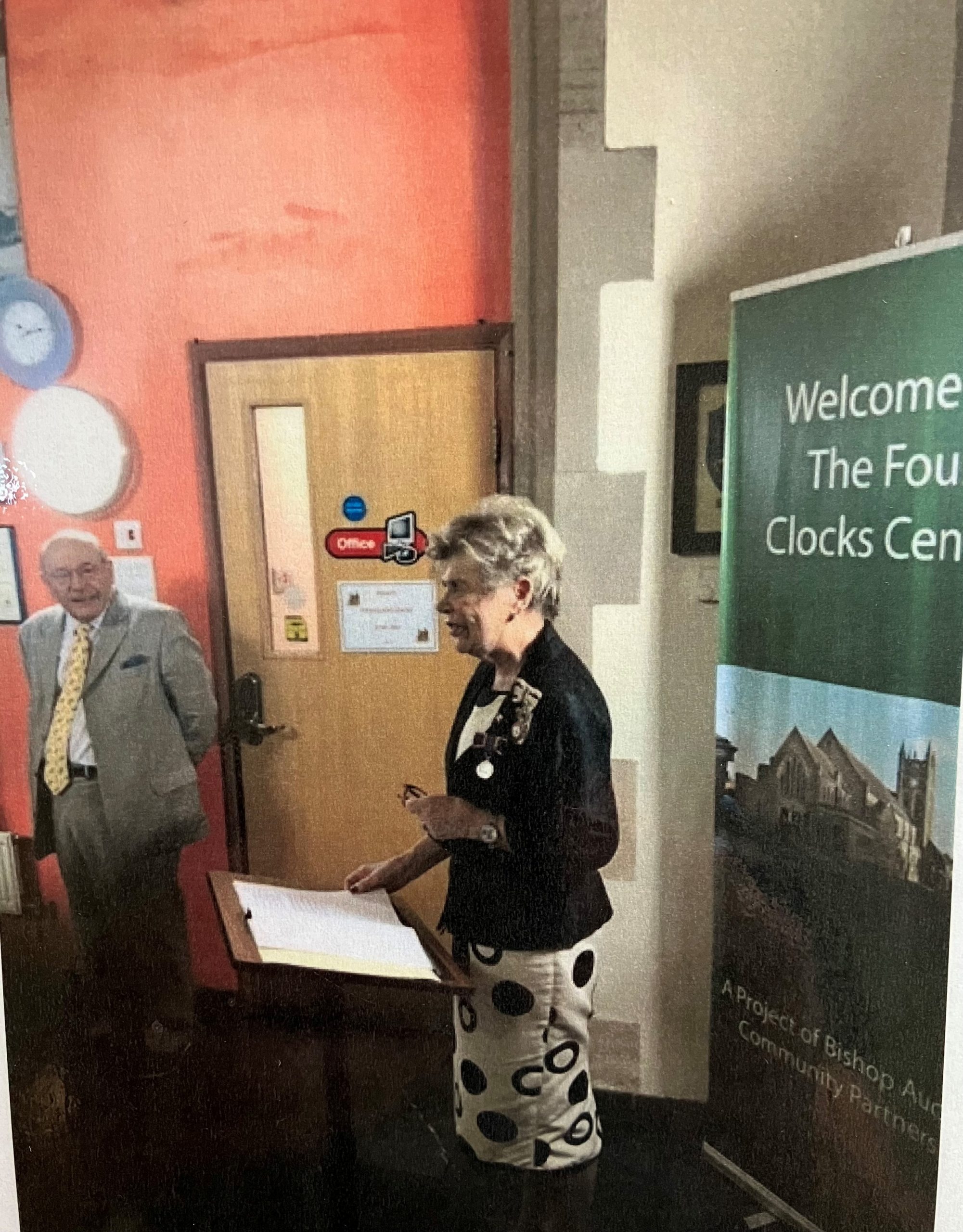
We had an Open Day in May 2023, where we invited the community to have a look around and see the various aspects of community work undertaken in the Four Clocks Centre, and had a plaque unveiled by Sue Snowden HM Lord-Lieutenant of County Durham.
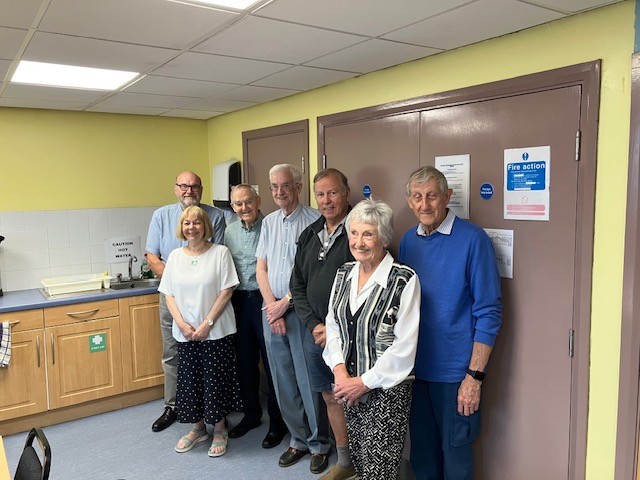
Our Trustees
Nigel Bryson
Trustee Vice ChairmanNigel Bryson
Nigel is a retired Health & Safety Consultant who worked for the Trade Union movement for over 22 years and had his own consultancy from 2003 until 2018.Clifford Laverick
Trustee TreasurerClifford Laverick
Cliff is a Non-Executive Director of EBAC and a Director of Teescraft Engineering.Robin Easton
Trustee Company SecretaryRobin Easton
Robin is a retired civil servant, was a Trustee of the Wear Valley Citizens Advice Bureau 1988 – 2014, a Trustee of Bishop Auckland Community Partnership Ltd since 1999 and a volunteer in the gift shop at Weardale Railway, Stanhope.
Ann Golightly
TrusteeAnn Golightly
With a distinguished career spanning 35 years as a primary school teacher, Ann has established a strong reputation within the local community.
Elected to the Bishop Auckland Town Council, Ann served diligently as a local councillor for ten years, culminating in her appointment as Mayor 2016–2017.
For over fifteen years, Ann has served as a trustee of the Bishop Auckland Community Partnership and currently hold the position of Chair of the Board.
Bill Robson
TrusteeBill Robson
Retired teacher, current Rotary Club Member and former President in 2018.Jean Wombwell
TrusteeJean Wombwell
Retired in 2022 and the former owner of Trimmers Hairdressing salon.Liam Atkinson
TrusteeLiam Atkinson
Liam is the lead co-ordinator/manager of the Kings Trust that are based in the Four Clocks centre.Alan Markillie
TrusteeAlan Markillie
Served in the British Army from the age of 16 for 38 years until his discharge in 2001.Alan has also worked as a security guard and a bus driver for 8years until his retirement and is currently a volunteer co-ordinator at our centre running the Four Clocks Memory and Games Clubs.